In the spotlights
Where nature and craftsmanship come together
From classic holly with bright red berries to unusual conifers and colourful Leucothoe. Greenery is an essential part of the festive season. But behind every branch lies a story of patience, craftsmanship and the power of nature. We paid another visit to Erik de Jonge of Van der Elst Cut Greenery Nursery and discovered why cut greenery is so much more than just decoration.
A nursery surrounded by nature
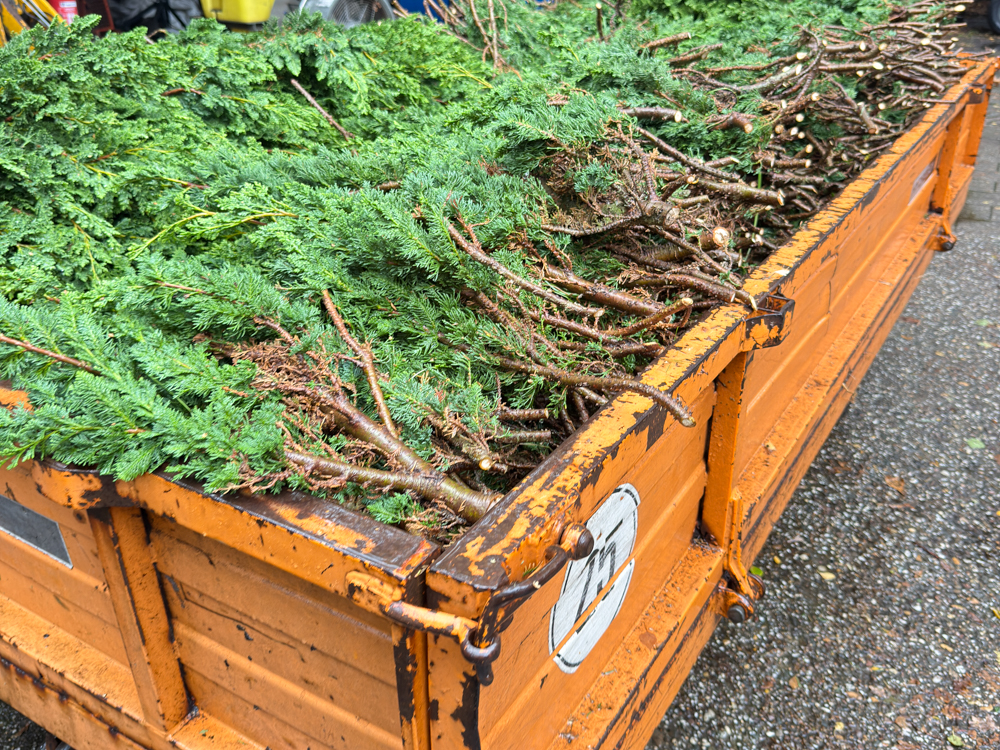
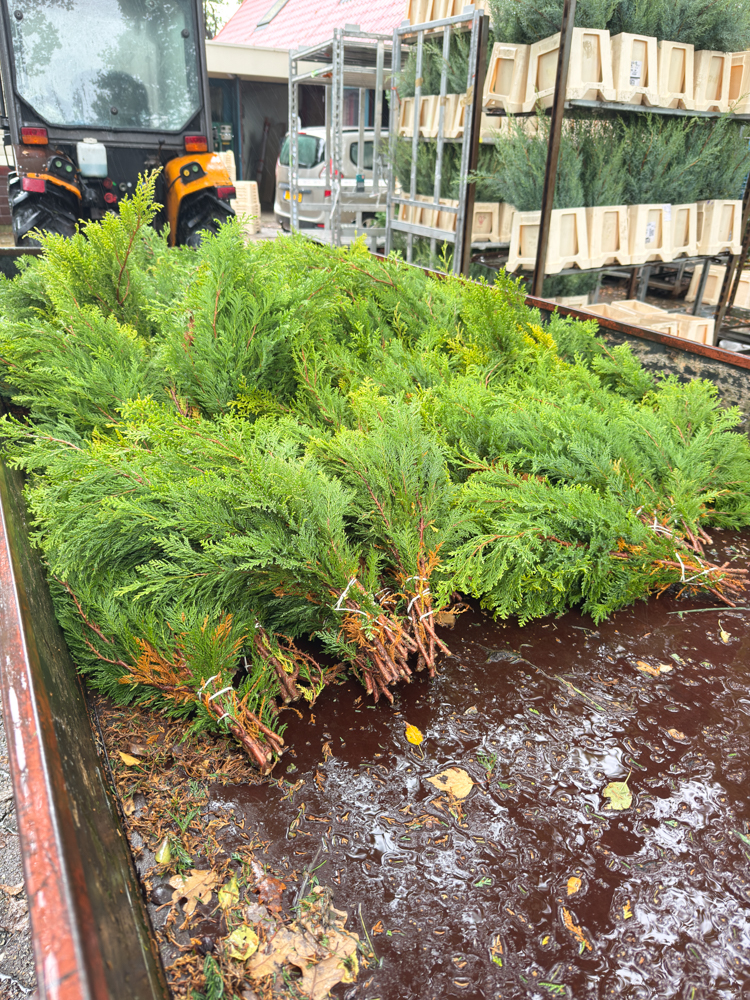
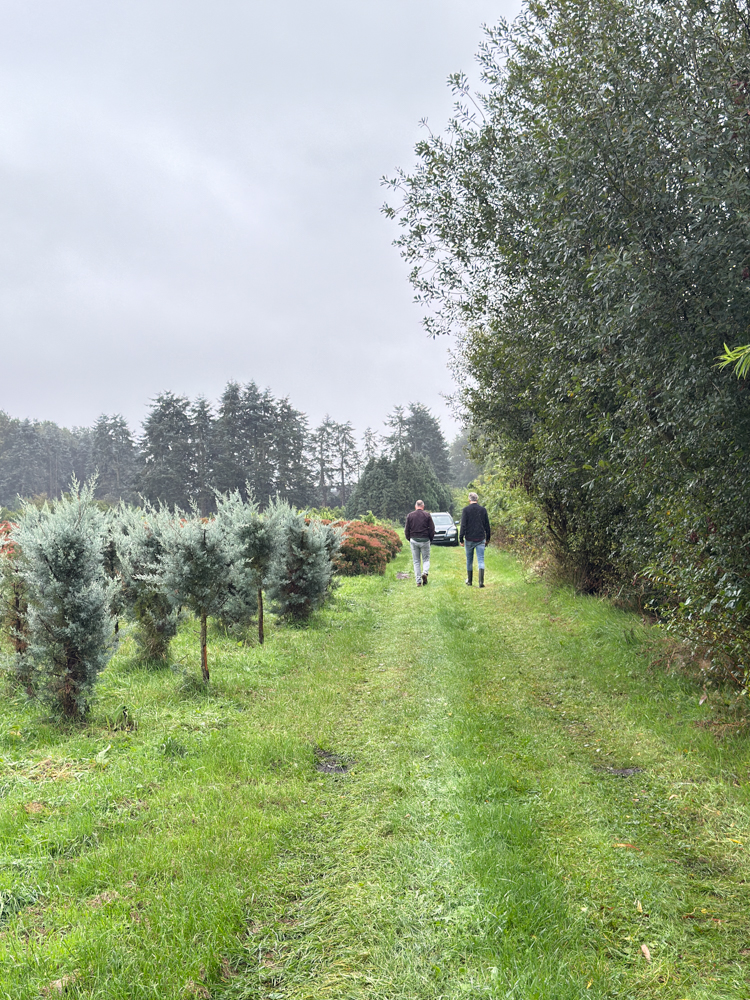
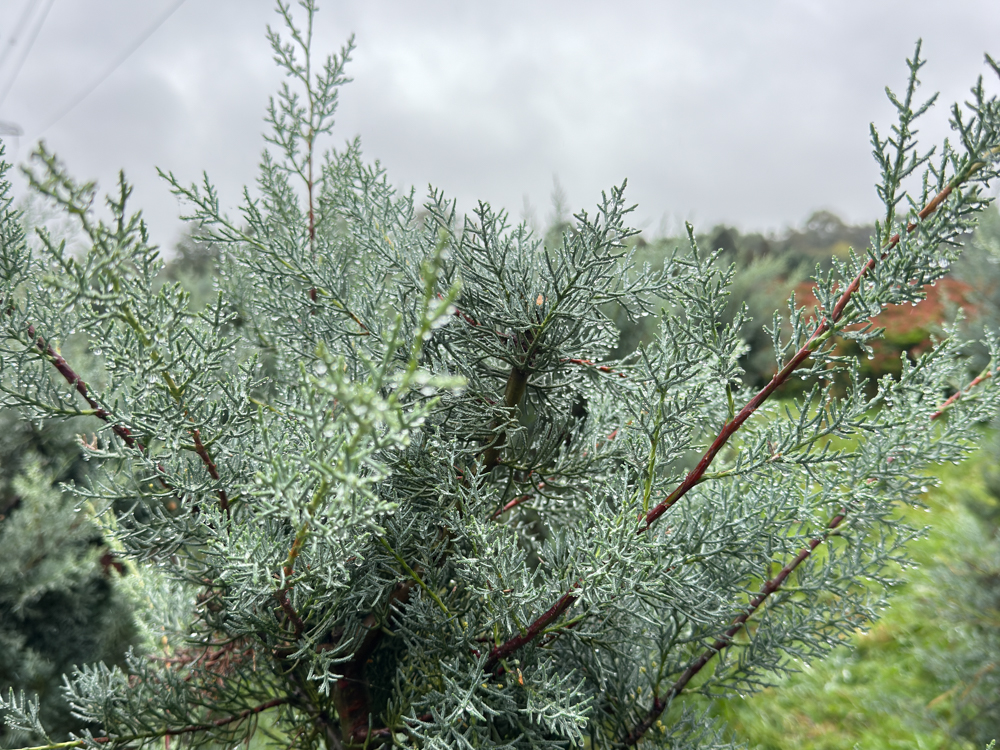
Van der Elst has a history spanning more than 140 years. Erik de Jonge has been running the nursery since 2002. Across approximately 20 hectares, he grows dozens of varieties of cut greenery, including conifers, Pinus, holly, Pieris, Buxus and Leucothoe.
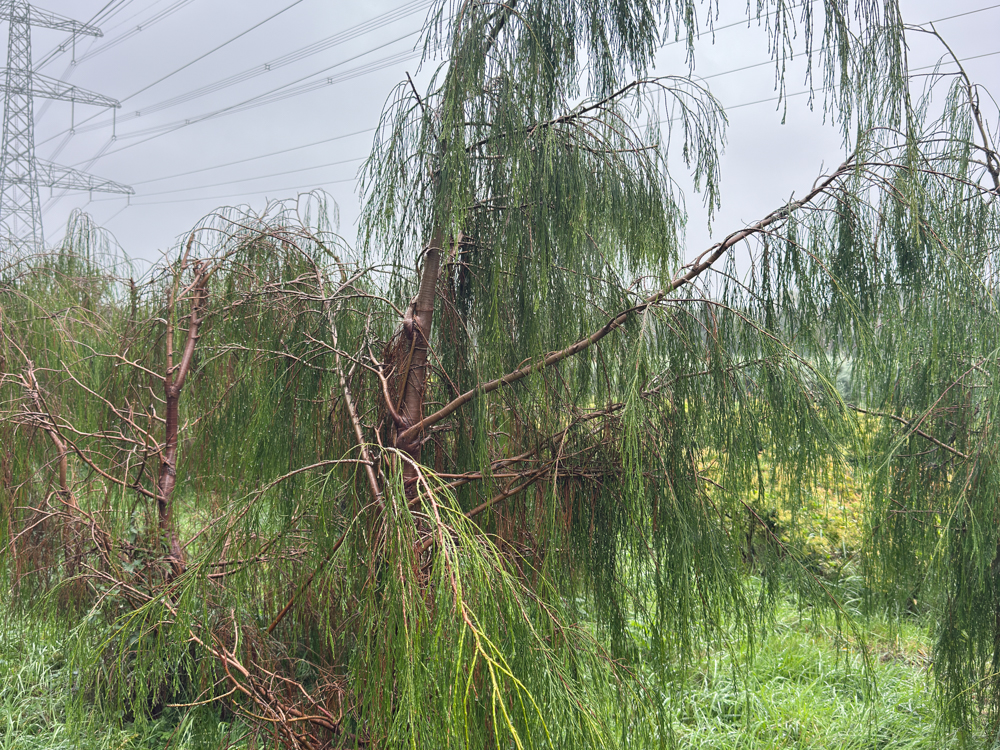
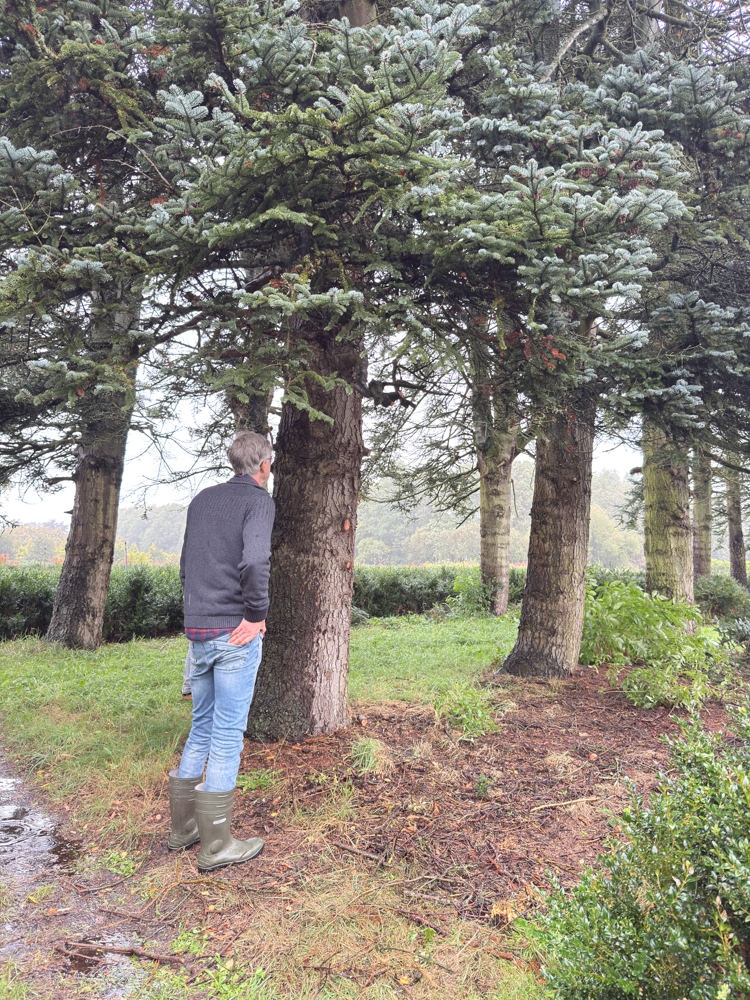
A walk around the nursery quickly reveals just how much space nature is given here. Birds, insects and deer thrive among the plants. The impressive Nobilis fir trees, dating back to 1900, are no longer harvested. Instead, they now provide shelter for buzzards, falcons and long-eared owls.
A hot summer leaves its mark
The hot, dry summer has also affected growth at Van der Elst. To protect themselves from drying out, plants close their stomata, the tiny pores in their leaves. This reduces water loss, but also slows down growth. August is normally an important growing month for conifers, but this year the heat held them back.
The effects of drought are not always immediately visible. Trees can become weakened by a lack of water, sometimes showing signs of stress only one or two years later. Weakened trees are more vulnerable to pests such as the European spruce bark beetle and other bark beetles. These tiny insects tunnel beneath the bark and can cause serious damage.
That's why Erik is investing in irrigation systems. Although he prefers to let nature take its course, sufficient water is essential to keeping his crops healthy.
A beautiful branch takes time
Anyone who thinks cut greenery can be harvested quickly might be surprised. Depending on the variety, it can take several years before the first branches are ready to cut. Some varieties even need eight to ten years. That's quite an investment in time and patience.
During the busy autumn months leading up to Christmas, the greenery is carefully harvested by hand, often in cold and wet conditions. It's labour-intensive work that shows just how much effort goes into every single branch.
Remarkable colours and shapes
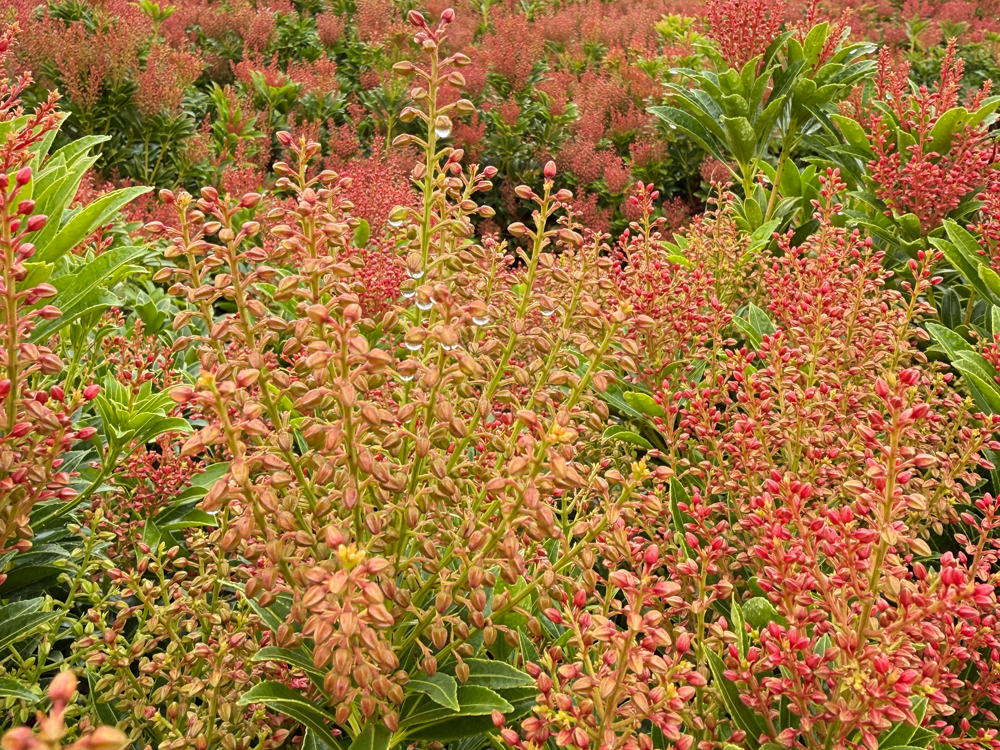
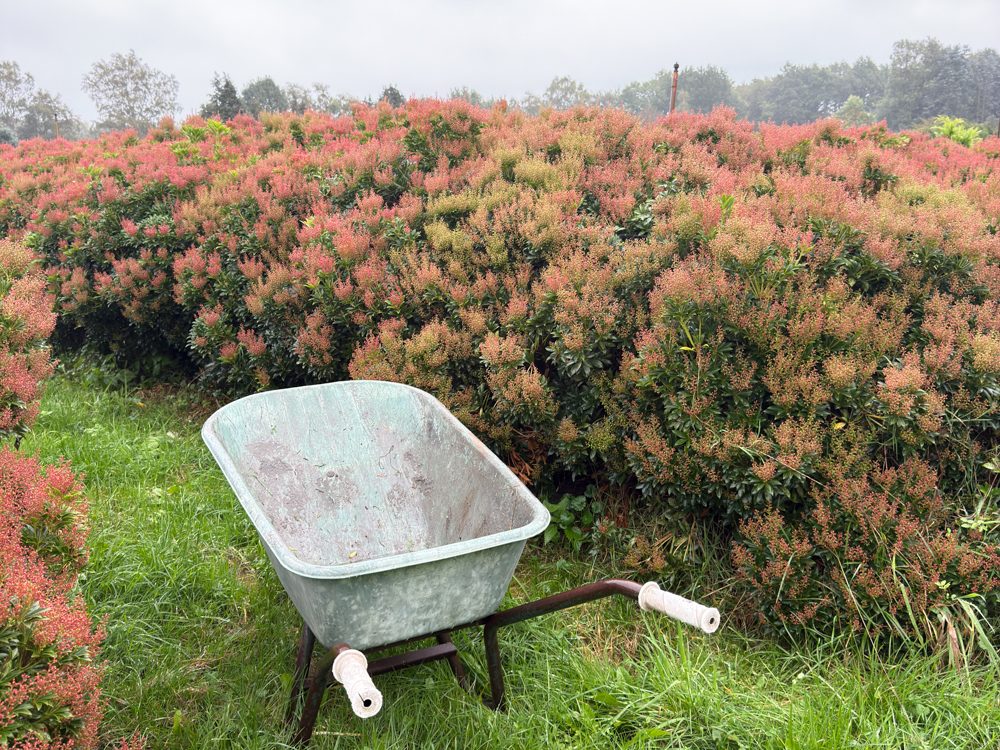
Alongside classic dark green foliage, Erik grows a wonderful selection of distinctive varieties. Leucothoe remains a favourite among florists. His assortment includes Leucothoe walteri 'Rainbow' and a special dark-leaved variety that was discovered at the nursery and later propagated. Their striking foliage adds instant character to winter bouquets and arrangements.
Pieris is another beautiful addition to the assortment. This shrub thrives in acidic soil and needs sufficient light to develop its flowers. Erik therefore carefully considers which plants will grow best in each part of the nursery.
Holly: nature does the hard work
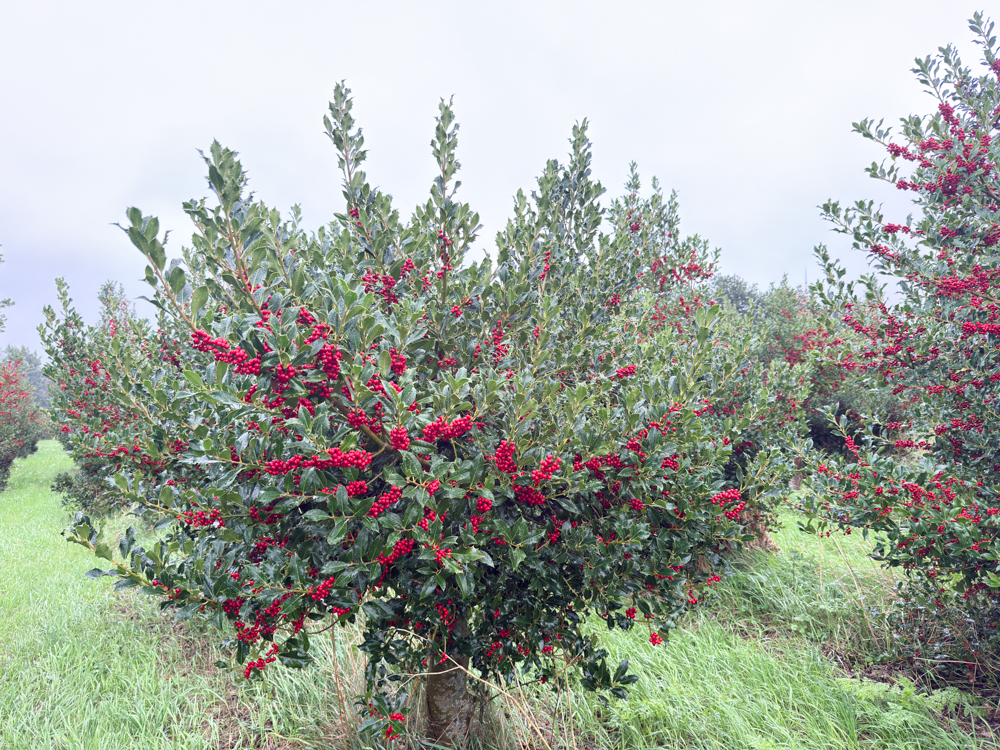
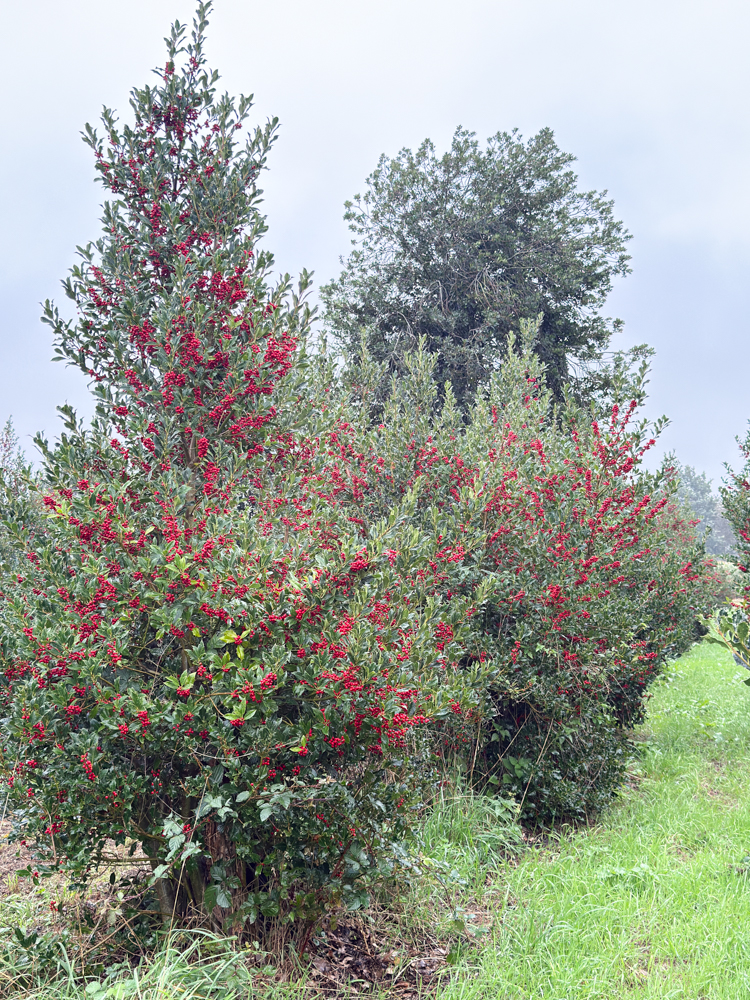
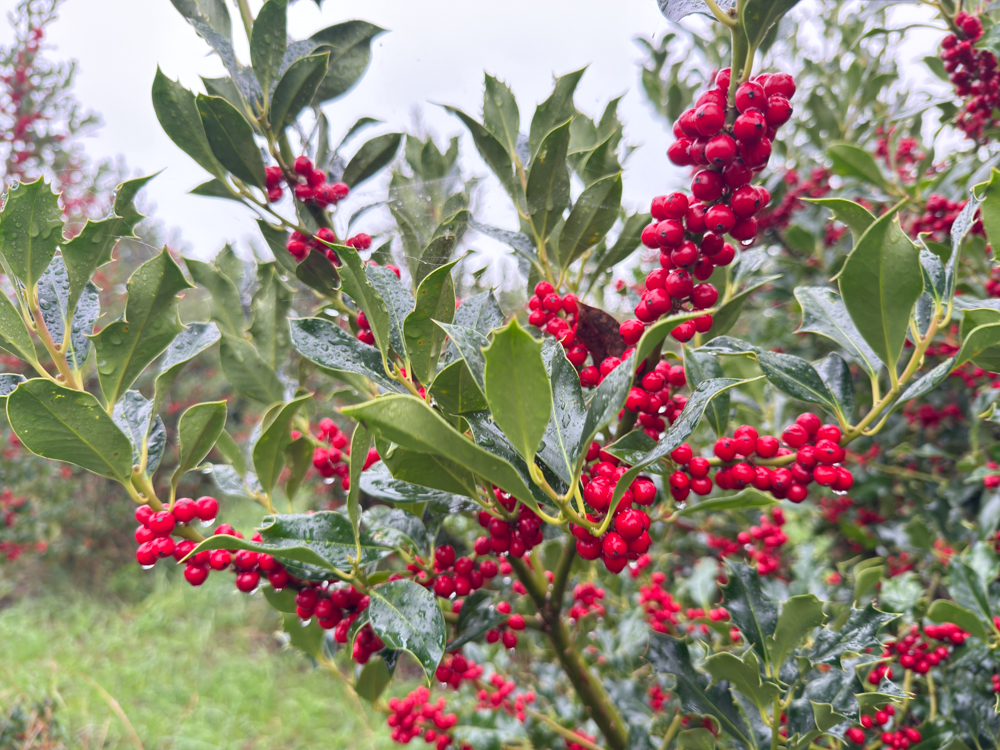
Holly is a true festive classic. But those beautiful red berries don't appear by themselves. Both male and female plants are needed. In spring, insects transfer pollen from the male flowers to the female flowers, allowing the berries to develop.
To attract these essential pollinators, Erik deliberately allows grass and wild plants to grow between the holly bushes. Due to the warm weather, the berries turned red remarkably early this year and may also soften sooner than usual.
Birds love the berries too. Erik uses recordings of birds of prey to help keep them away. After all, as welcome as the wildlife may be, he would rather sell his holly with the berries still attached. And wildlife certainly isn't in short supply: six roe deer fawns were born on the estate this year.


Greenery with a story
Why do we bring so much greenery into our homes during the festive season? For centuries, evergreen branches have symbolised life, hope and renewal. While many plants lose their leaves in winter, conifers and holly remain green.
In ancient European traditions, holly was believed to offer protection against evil. Later, its prickly leaves and red berries took on symbolic meaning in Christianity. Conifers have their own stories to tell. In Japan, pine branches symbolise good fortune and longevity and are used in traditional New Year decorations.
Closer to home, we have the Advent wreath. Its circular shape represents eternity, the greenery symbolises life and the candles represent light. Greenery also plays a meaningful role beyond Christmas. Buxus, for example, is traditionally used on Palm Sunday as a substitute for palm branches.
A lovely story for florists to share with their customers. Because every branch has more to offer than just beautiful colour and shape.
The power of nature
What impressed us most during our visit was the way Erik works in harmony with nature. New crops are carefully selected, the soil receives plenty of attention and old trees are left standing to provide a home for wildlife.
Growing cut greenery requires patience, knowledge and determination. Ultimately, sunlight, rain and temperature determine how the plants develop. Erik simply makes sure they have the best possible conditions.
And that's what makes the greenery from Van der Elst so special. Every branch is the result of years of care, dedication and respect for nature.
FloraPodium, 22 Oktober 2026

Video

Nursery